When most Americans think of Olympic sports, there are a few that spring immediately to mind. Track and field events, like sprinting and hurdles, shotput and discus. Gymnastics and swimming, in no small part due to long-running American success in those sports. Well-known international sports, like basketball, tennis, and soccer.
Yet there are many others which most probably never even see. How many times have you watched an Olympic badminton match? Or an event in Olympic trampoline?
The 2024 Olympic Games consist of 32 sports, separated into 48 disciplines and consisting of 329 individual events. From rock climbing to rowing, sharp-shooting to equestrian, the Olympic Games today offer something for everyone. And the Olympic Programme is growing all the time, as the International Olympic Committee continues to strive to make the Games a showcase of the full breadth of human athletic achievement.
How a Sport Becomes an Olympic Sport
The IOC is always looking for new sports to broaden the scope and appeal of the Games. Still, it goes without saying that not every sport is Olympic material. In order to be added to the Olympic Programme, a sport must meet three basic criteria:
Have Widespread Appeal and Be Contested Globally

Given the Olympic Movement’s core value of inclusion, this one is pretty obvious. In order for a sport to be considered for addition, it must be popular in a wide range of countries. Furthermore, formal competitions must be held, in at least 75 percent of countries across at least four continents.
Sports that are mostly regional and national pastimes are unlikely to be added. For instance, football (soccer) has been a staple of Olympic competition for a long time. Rugby, on the other hand, is a recent addition. This is because for much of its history rugby has been popular mostly in the United Kingdom and its former colonies (Commonwealth nations). And though similar to rugby, Australian Rules Football is unlikely to ever be added to the Olympic Programme, as the sport is virtually unheard of outside Australia (and even in Australia, it’s only widely popular in the southeast).
Offer Competitive Parity Between Genders
This is a more recent criterion, but it’s crucial. While the earliest Olympic Games were open only to men, the modern Games require all new sports to be open for both men and women. Sports that exclude one gender are a hard sell. Baseball, for instance, was removed from the IOC’s Core Sports not long ago. Though it remains available as an optional sport (and will likely return to Core status eventually), the IOC will not permit an Olympic baseball tournament without a softball tournament to go along with it.
Be Overseen By A Unified Governing Body

This one has less to do with the spirit of the Olympic Games than their administration. Because, though some Americans might be surprised by this, the truth is the IOC itself plays only a minimal role in the actual Olympic Games.
The International Olympic Committee is responsible for selecting the core sports of the Games, as well as selecting host cities. Once a host is selected, however, most of the planning is handled by the host city’s organizing committee, while the individual sports and events are the responsibility of the Governing Bodies.
Every Olympic sport is regulated by an international organization (typically called either a Federation or a Union). These organizations, referred to as “Governing Bodies” by the IOC, are responsible for codifying rules for international competition as well as organizing competitions each year. Not only do the Governing bodies determine qualification for Olympic competition in their sport, they also provide the host’s organizing committee with regulations for suitable venues. Even the actual event is the responsibility of the Governing Bodies. For instance, the referees for the Olympic soccer tournament are provided by FIFA, and gymnastics competitions are judged by officials from the International Gymnastics Federation.
Any sport that meets the above three criteria is up for consideration as an Olympic sport. And as I said, the Olympic Programme is always growing. So, how does a sport that checks all the boxes break into the Olympic scene?
Optional Sports

Not long ago, the process for adding a sport to the Olympic Programme was a tedious process, often taking a decade or longer and including multiple Olympic Games at which the sport was contested by no medals were awarded (“Demonstration Sports”). In recent years, the IOC has streamlined the process, by introducing “Optional Sports”.
Each Olympic Games is required to hold events in 28 sports deemed “Core Sports”. The list of Core Sports changes periodically; for the 2028 Games in Los Angeles, skateboarding, surfing, and sport climbing have been added to the previous list of 25. Beyond that, the host city’s organizers can choose certain Optional Sports. These can be sports previously seen at the Olympics (like baseball, softball, and karate) or new sports that are more popular in the host city’s region or nation.
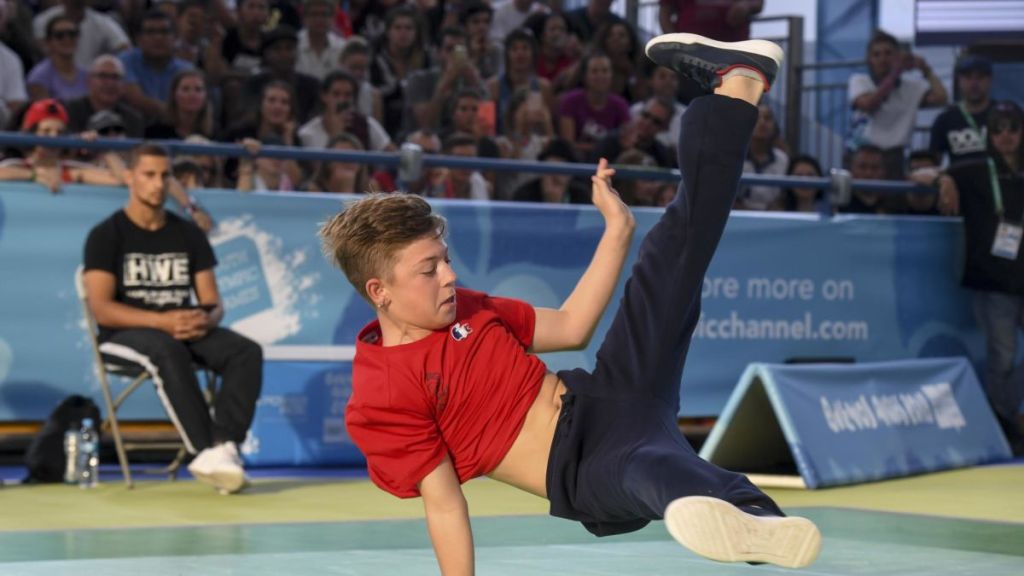
The 2024 Olympics in Paris feature four Optional Sports. In addition to skateboard, surfing, and sport climbing (all of which are still considered “optional” until 2028), “Breaking” (known as breakdancing in the US) is making its Olympic debut.
Optional Sports Coming for LA 2028
The organizing committee for Los Angeles 2028 proposed five Optional Sports, all of which were approved by the IOC. Of the five, four will be making their Olympic debut. Bear in mind that being featured as an Optional Sport is no guarantee that a sport will appear at future games (there will be no “breaking” in 2028). But it’s an important first step.
Baseball and Softball
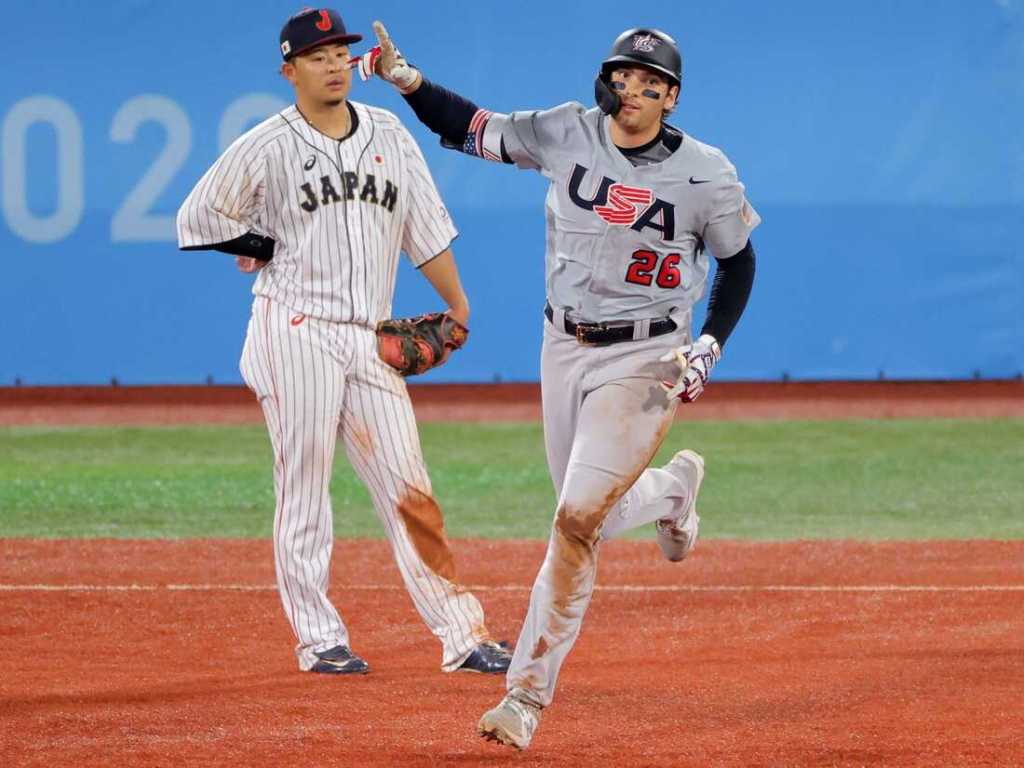
Not long ago, baseball and softball were core Olympic sports, but the IOC voted to remove them from the programme prior to the London games in 2012. The two sports were featured as an optional sport in 2021 in Tokyo, however (due to the Japanese love for the sports), and will return as an Optional Sport in 2028.
Baseball and softball are among the most recognizable sports to have been removed from the Olympics. The decision was made at a time when baseball’s popularity was waning (though softball remained a growing sport). However, baseball’s popularity appears to be on the upswing. This could be attributed to recent changes in Major League Baseball which have shortened games and made the sport more athletic, as well as an influx of talented players from Europe and elsewhere. Given these developments, it’s likely that baseball and softball will return for the 2032 games in Brisbane, and may return to Core Sport status soon after.
Cricket
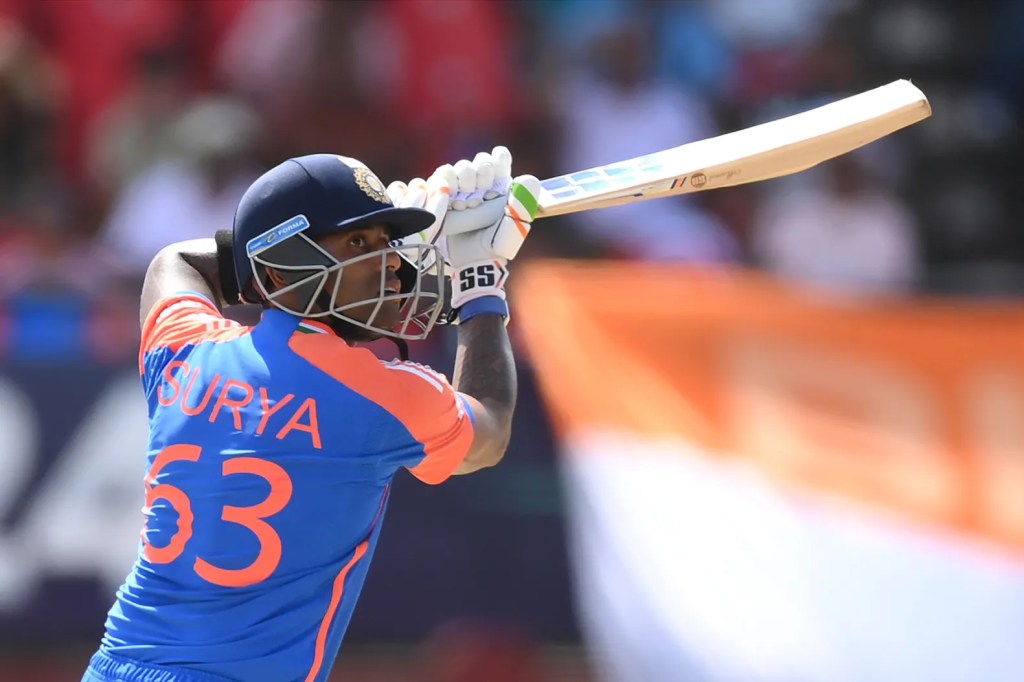
A bat sport vaguely similar to baseball (which predates it), cricket has long appeared to be a long shot for Olympic consideration for the same reason as rugby: its popularity was limited to the UK and Commonwealth nations. However, India’s rising global profile as well as growing Indian immigrant populations across the world have led to its growth in popularity. Given the sport’s rising prominence among Indian Americans, it’s no surprise the organizers in LA decided the world was ready for cricket.
Flag Football
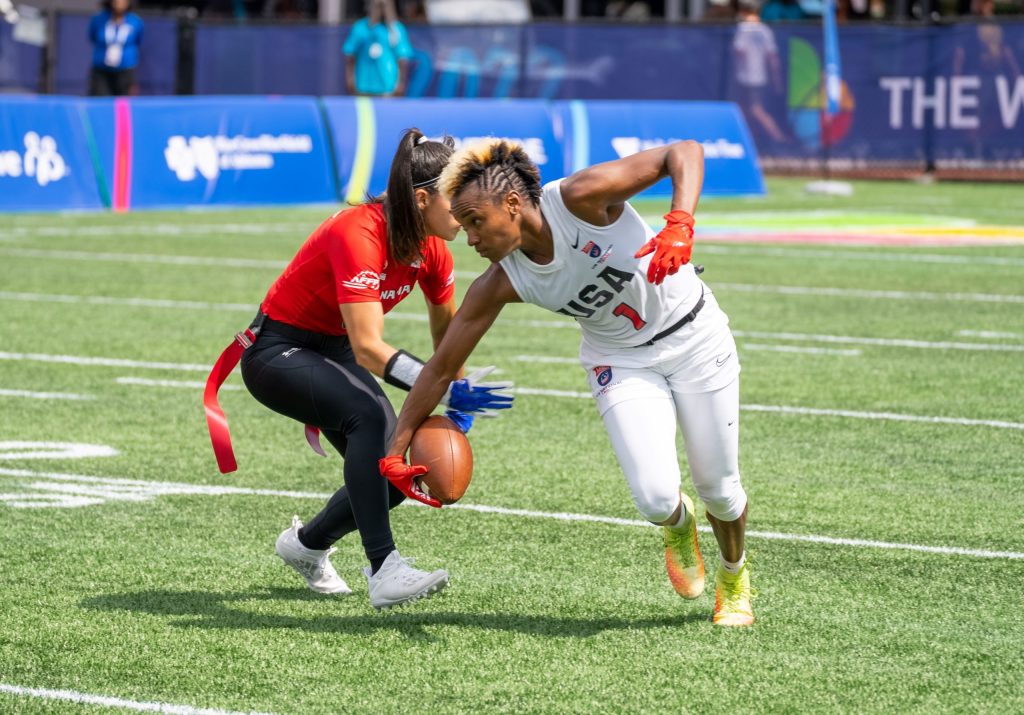
At long last, LA 2028 has taken a huge step toward America’s greatest Olympic pipe dream: the addition of American Football to the Olympics.
Though extremely popular in North America, American and Canadian football (often grouped together as “gridiron football”) have long been a regional phenomenon. But over the past decade, the sport has enjoyed rising popularity, particularly in Europe and Japan. The success of recent international competitions, and the NFL’s growing popularity in Europe, persuaded the IOC to clear gridiron football for its 2028 debut. With an asterisk…
There remain several major obstacles to actual American football being added to the Olympics, most notably the need for extensive (and expensive) protective equipment, and the serious risk of injury that necessitates such equipment. However, the less-risky flag version of the sport will be appearing in Los Angeles in 2028. And it’s not hard to picture a permanent place on the programme for a simple sport played in every American back yard.
Lacrosse

A true American invention, lacrosse originated in the 12th century with the indigenous peoples of North America, though the modern version was heavily-modified by European colonists. Long popular with private schools and as a collegiate sport, lacrosse is governed at the international level by World Lacrosse: the only sports governing body in the world that recognizes North American indigenous peoples as sovereign nations.
While the addition of lacrosse in 2028 is exciting, it remains to be seen whether or not it will have staying power as an Olympic sport. Lacrosse is fast-paced and exciting, but will be among the few full-contact team sports at the Games. Men’s lacrosse is known to be an aggressive, violent sport, requiring protective equipment similar to what’s used for American football. However, it’s worth noting that lacrosse has appeared in the Olympics twice before, having debuted at the 1904 Games (held in St. Louis, Missouri).
Squash
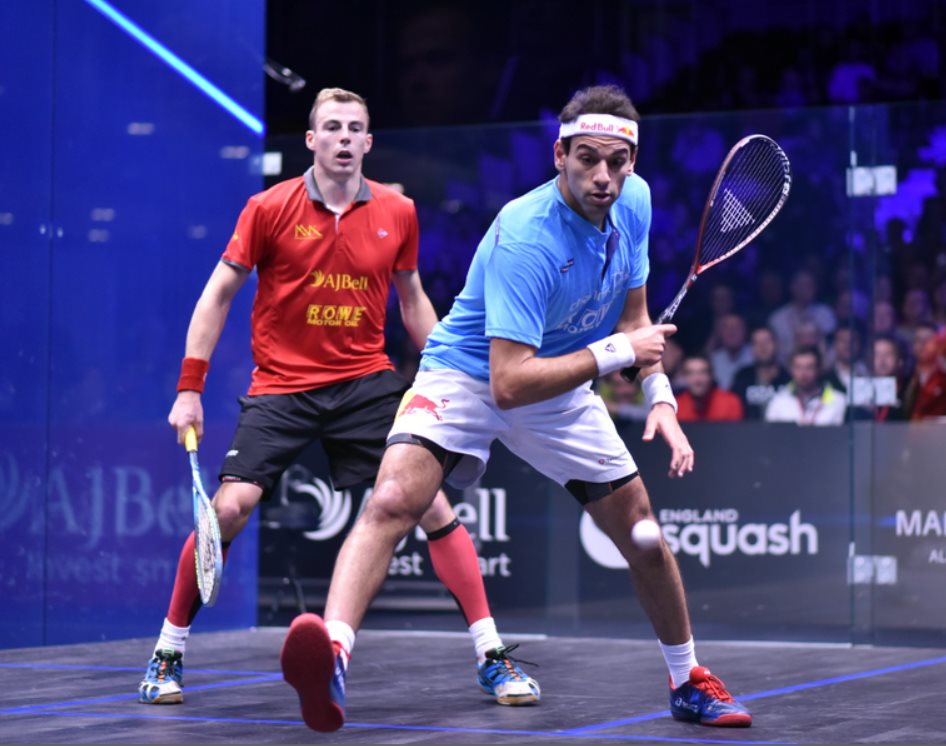
An indoor racket sport, squash is similar to the French sport that ultimately evolved into tennis, and thus uses similar equipment. Though it will make its Olympic debut in 2028, it’s worth noting that it was originally proposed as a replacement for baseball for the 2012 Games in London.
Though it originated in England, squash has long been a popular sport in the US, particularly among the middle and upper class. However, its humble origins (it was originally played in English prisons and boarding schools), simple rules, and accessible equipment make it an ideal addition to the Olympic Programme.
The Future
As I’ve said, the Olympic Programme is always changing, as the IOC seeks to broaden the Games’ appeal and open competition to a wider range of athletes. Though the slate of sports for 2028 is set, organizers for the 2032 Games in Brisbane are already considering new Optional Sports, and who’s to say what 2036 will bring? Here’s a brief look at some of the sports widely-regarded as future additions to Olympic competition:
Disc Sports
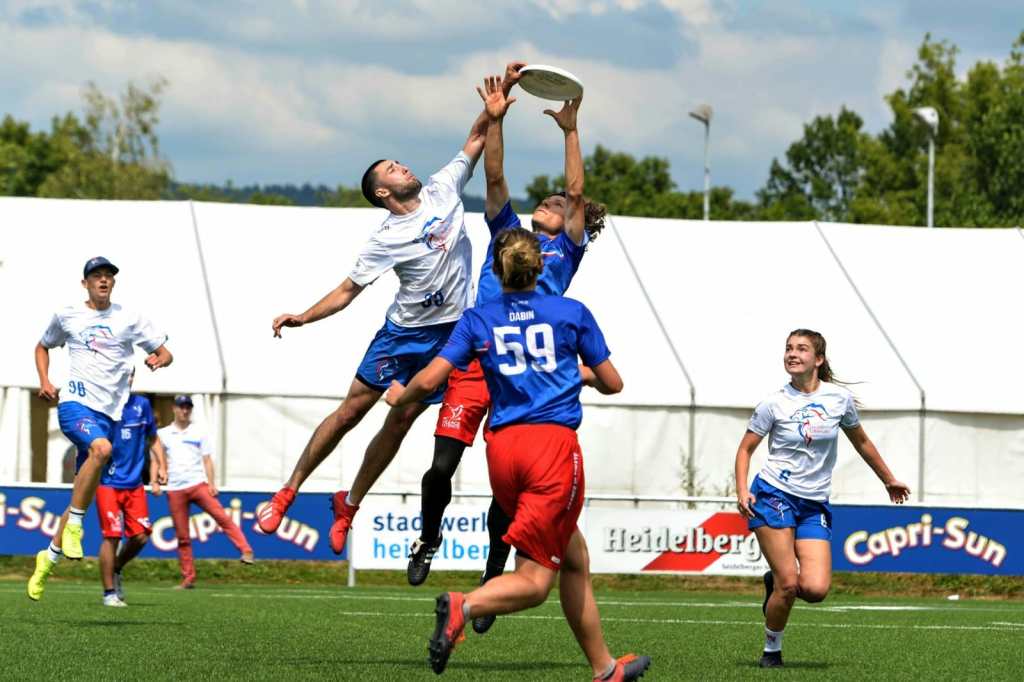
Typically known as “Frisbee” in the US, disc sports have long been popular worldwide due to their simplicity. After all, all anyone needs to play frisbee is…well, a frisbee. In the US, frisbee sports have long been popular as a family sport, and particularly on college campuses.
Over the past decade, however, the popularity of disc sports has soared. This is particularly true in the US, likely due to the rising percentage of college-educated individuals. Ultimate frisbee and frisbee golf (increasingly known as “Disc Golf” even in the US) have grown rapidly, and are now contested internationally by the World Flying Disc Federation, giving the sport a Governing Body. As of this writing, the World Flying Disc Federation is making a push for disc sports to be included in the 2032 Games.
Roller Sports
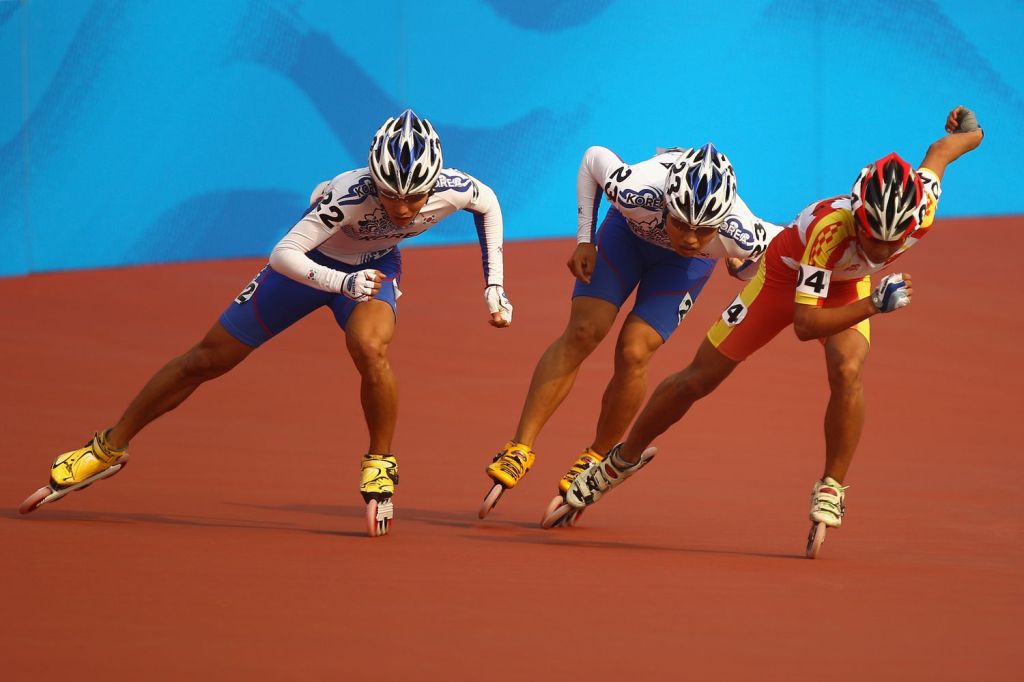
Since the introduction of Olympic skateboard, all eyes have turned to roller sports. Roller sports, particularly inline skating, have been widely popular across the world since the 1990s, and there’s been talk of their inclusion in the Olympics since roller hockey debuted as a demonstration sport in Barcelona in 1992.
Inline skating offers tantalizing opportunities for the Summer Games to compliment some of the most exciting events of the Winter Olympics. Inline speed skating has been contested internationally since the 1980s, and much of the United States’ recent success in Olympic speed skating resulted from the USOC recruiting inline skaters. Aggressive inline, which focuses on skateboard-style tricks, would make an excellent companion event to skateboarding (along the lines of the relationship between freestyle skiing and snowboarding in the Winter Games). The possibility of adding roller hockey has also been suggested.
Unfortunately, a few hurdles remain, primarily inline skating’s reputation for being a dangerous sport. Nonetheless, the International Roller Sports Federation has been ramping up its efforts to bring inline skating to the Olympics. Most recently, inline skating was suggested for the 2016 Olympics in Rio de Janeiro. Now that skateboard has been added to the IOC’s list of Core Sports, it’s likely only a matter of time.
Karate
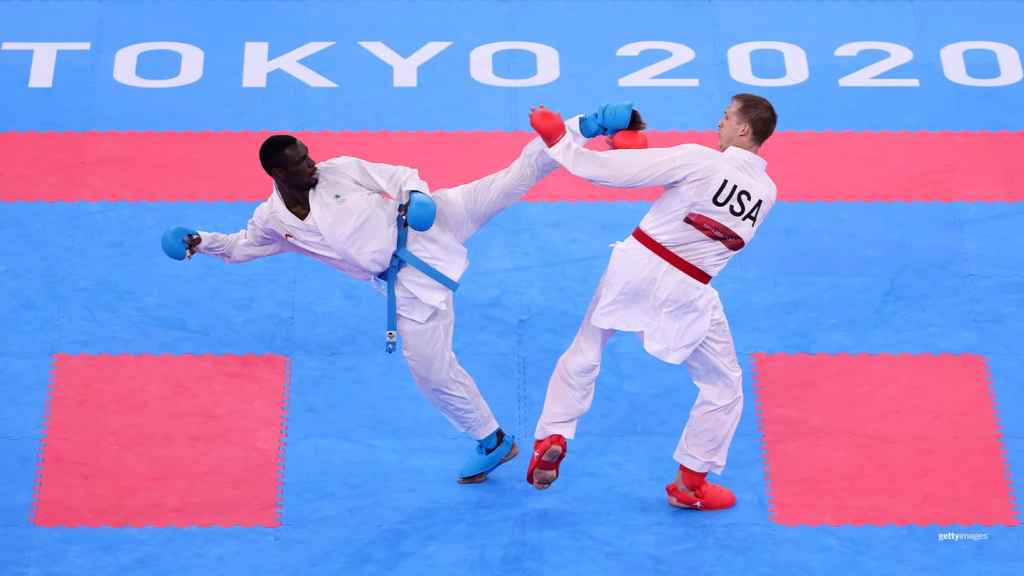
A Japanese form of martial arts, karate made its Olympic debut for the Tokyo Games in 2021. At the time, it was expected that karate would become a Core Sport, but the sport was excluded from the Paris Games and narrowly missed the cut for Los Angeles in 2028.
However, there’s reason to believe it will make a comeback. Karate remains one of the most popular and recognizable forms of martial arts across the world, to the point where “karate” is often used to refer to most any form of hand-to-hand combat. As the Olympic Programme already includes judo and taekwondo as Core Sports, it’s hard to believe karate won’t eventually make the list as well.
E-Sports
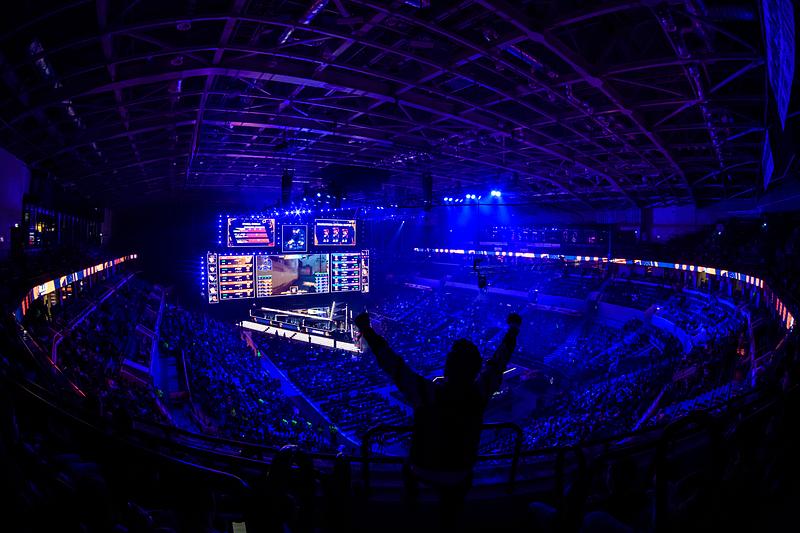
Amid the ever-growing popularity of competitive video gaming, e-sports have become one of the most controversial “sporting” events across the world. But love it or hate it, e-sports is extremely popular. Given its requirements in terms of mental acuity, reflexes, and hand-eye coordination, it’s getting hard to argue it shouldn’t be present at the Olympics (where, among other things, trap shooting is still contested). And given its global popularity, it certainly meets two of the IOC’s criteria for inclusion: worldwide accessibility and gender parity.
Though it was never under consideration for 2028, it’s worth noting that the International Esports Federation made a push to have e-sports included in the 2024 Olympics. And yes, the IESF is a Governing Body. That’s all three criteria met.
Part of the fun of the Olympics is the ever-growing list of Olympic sports. There’s something for everyone to enjoy, from sports we all to play in our back yards to “Wow…I could never do that“. And if you’re a young person reading this, wishing your sport was in the Olympic Games, remember that badminton is an Olympic sport. And dare to dream. – MK
 Michael T. Kuester