Hello, dreamers, and welcome to the inaugural #SFPit!
Today on Twitter, it’s a day for all things science fiction. A chance for sci-fi writers like myself to show the world who we are and what we do. Sci-fi, like science, is driven by men and women who stand upon the shoulders of giants. You won’t find many serious sci-fi writers who won’t list the likes of Isaac Asimov, Ray Bradbury, or Arthur C. Clarke among their influences. So today, after spending so much time over the past months talking about my novel, I’d like to instead talk about the various sci-fi properties that inspired my work.
The Science (Fiction) Behind Seven Days on Samarkand
I’m a lifelong, die-hard fan of all things sci-fi. It’s all I read, watch, and play. And over the years I spent working on the story, many earlier works of sci-fi found their way into my work.
Star Trek
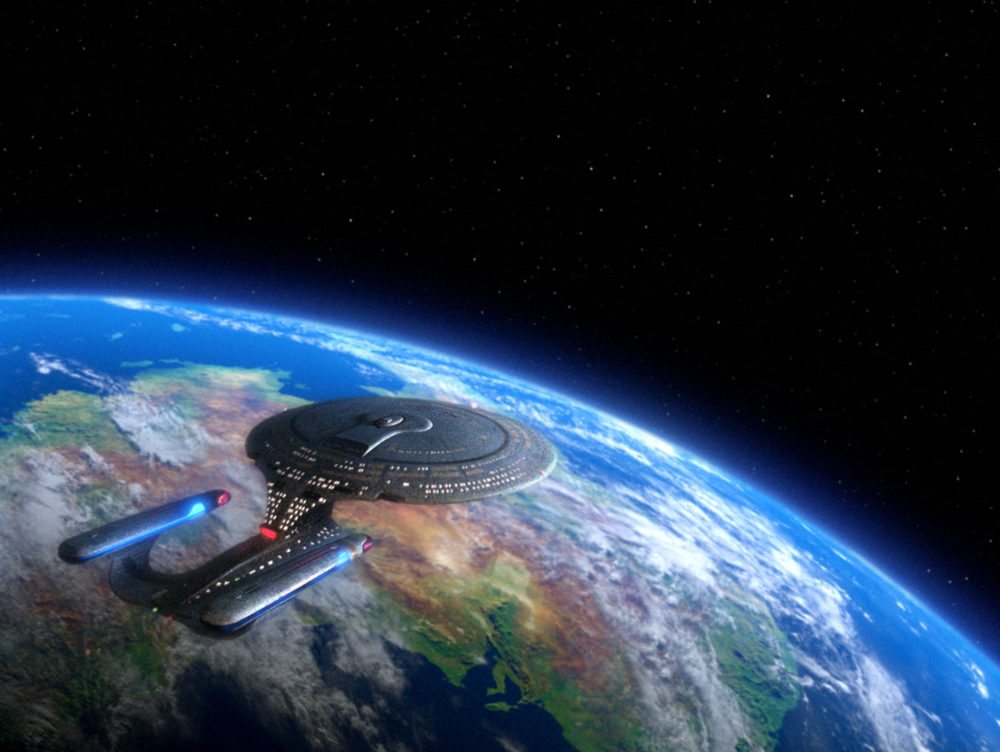
From the beginning, I’d envisioned the overarching fictional universe in which Seven Days on Samarkand plays out as “Star Trek reinterpreted for the modern world”. The reinterpreted part stems from dealing with the limitations Star Trek has faced, having its origins in the 1960s. For instance, I’ve incorporated the modern realities of space travel. While the U.S.S. Enterprise had a crew of hundreds, most spacecraft in my future have crews of no more than fifty. Typically a maximum of six people actually operate the ship (most others are scientists, engineers, or technicians). And there are no vast fleets of ships just wandering through space looking for things. Most exploration is done by robotic probes. Manned spacecraft are only launched to habitable exoplanets.
But the core message of Star Trek shines through in my work: hope. The belief that humanity will grow and evolve past the trivial concerns we face today, confined as we are to our tiny world. The humans of Seven Days on Samarkand are free from the fears and prejudices we face today. Instead, they’re faced with new concerns we, from our limited vantage point, can hardly imagine.
The Expanse
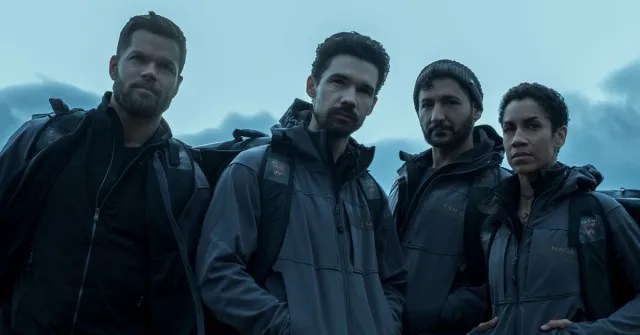
While I got the “big picture” vibes from Star Trek, from the ground level there’s a lot of inspiration from James S.A. Corey’s phenomenal novel series. That applies partly to my more grounded handling of the science behind my work, but also to the characters. These guys wrote a masterclass on interiority, and their messy characters with troubled pasts form a memorable cast.
Though the characters in Seven Days on Samarkand are hardly a bunch of misfits with criminal records, they have plenty of messy moments and interpersonal drama. I have The Expanse to thank for showing me that there’s room in the space opera genre for hard sci-fi.
Earth 2
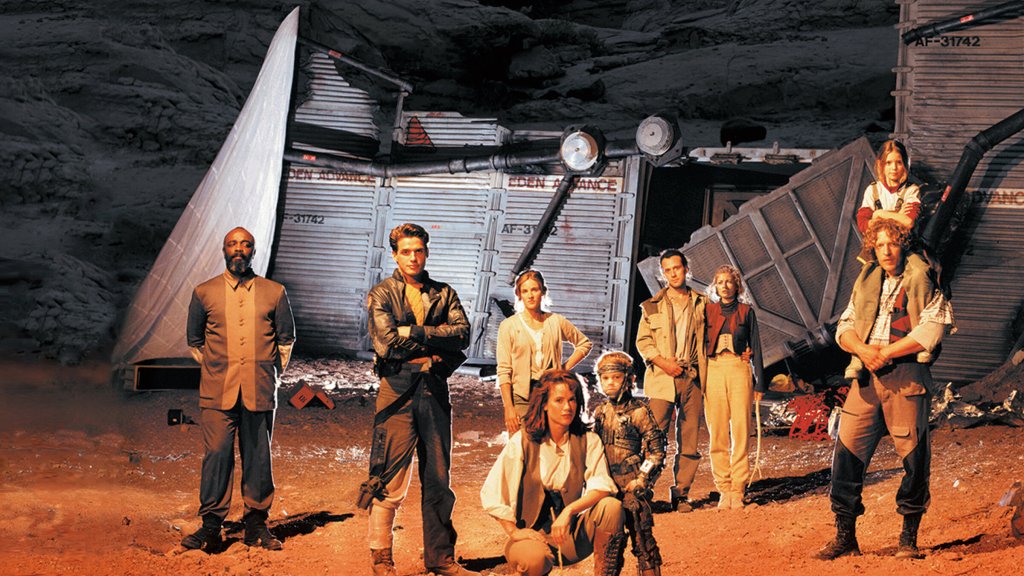
If you’ve never heard of this 1990s sci-fi gem, you’re missing out. Though it only ran for one season, Earth 2 was a groundbreaking series following a group of colonists seeking a new life on a habitable exoplanet filled with alien peril.
Though I worked hard to steer clear of the tired “people try to colonize an alien planet with no idea what the hell they’re doing” cliche, there’s still plenty about Earth 2 that found its way into my work. it’s worth noting that I rewatched the series prior to starting work on Seven Days on Samarkand.
In sci-fi, perhaps more than any other genre, it’s easy to think “it’s all been done before”. But the key is to find your own twist on tried-and-true formulas. As sci-fi writers, we write the future. And the future is always changing. That, perhaps more than anything else, is what makes science fiction so damn exciting. And I couldn’t be happier to be a part of it. – MK
 Michael T. Kuester
We were so glad to have so many wonderful sci-fi writers, like you, join us, Michael! Thank you for all your support and participation.
LikeLiked by 1 person
And thank you for going to the trouble of organizing this. It was a lot of fun.
LikeLike