On December 7, 1941, our nation was attacked. A war followed, and with it came conscription. All men of draftable age were evaluated. Many served. Many were wounded. Many died. But they did so knowing that their country was in danger. And they did so knowing that if they sat idly by and did nothing, everything generations of Americans had worked so hard for would be taken away. A civilization unlike any other in history would be lost. Good or bad, right or wrong, everything that had been done up to that moment would have been for nothing.
Through the sacrifice of good men and women, the hard work of American industry, and the diligence of our leaders, our nation prevailed. When the guns fell silent and the dust settled, we’d come out on top. We emerged from the ashes of war a global superpower: a force unquestioned on Earth. And for the first time, Americans realized that we had the capacity to change the world. We could mold the planet around us, make it what we wanted it to be. And good or bad, right and wrong, that’s what we did.
After generations of farming and milling, the United States became a nation of soldiers. Though the war ended the conscription continued, for years and years, long after it should have. Only now, the war wasn’t being fought to protect a country; it was fought to protect ideas. Good or bad, right or wrong, generations of American men had rifles thrust into their hands. In the frigid mountains of Korea, in the stifling jungles of Vietnam, Laos, and Cambodia, our nation fought to force the world to see things the way we did. Some wars were won, some were lost, but even when we won, we spent lives to do it. And little by little, we began to understand the truth of war: that the lives spent aren’t limited to the dead. There are the injured. The maimed. The disabled. We began to realize as a society that the damage done by war isn’t always visible. That the pain inflicted isn’t always so easy to see.
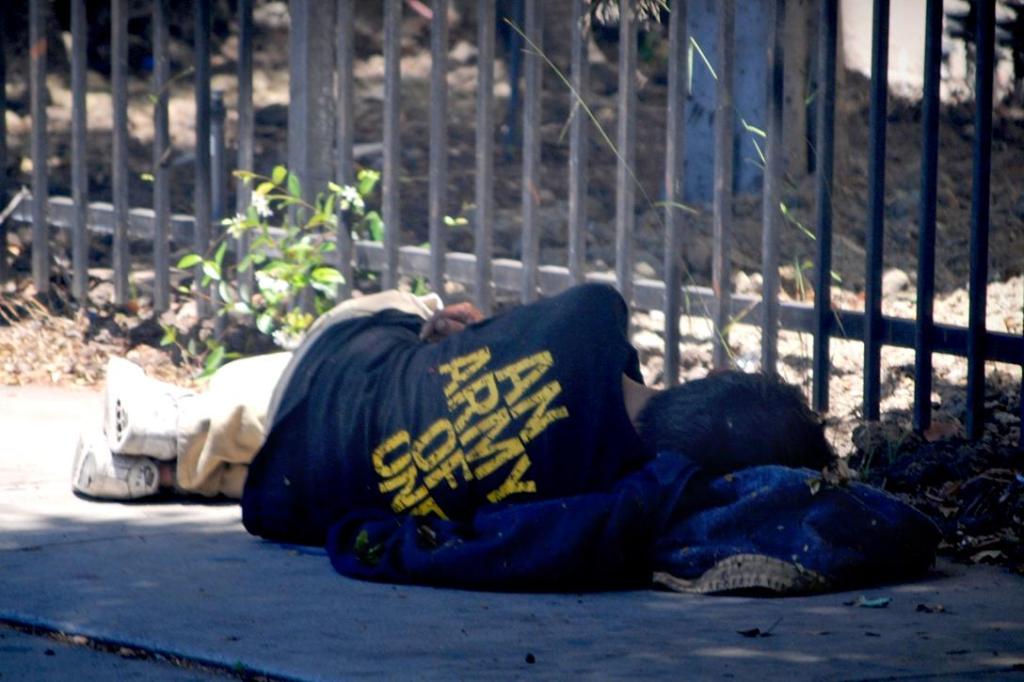
And so as time went on our attitude toward war changed. Some grew angry, yet too often they took this anger out not on the government, the leaders giving the orders, but on the men who took those orders. They spat on returning veterans, turned a blind eye to their suffering. Men who’d lived through nightmares in Southeast Asia returned to a new nightmare at home. Here, they found a country with no place for them, one that had seen fit to spend them as currency to enforce its ideology overseas but felt no such obligation when they came home. Here, many ended up on the streets. They were abandoned, left with dark questions begging for answers. With no place to turn, many sought answers at the bottom of a bottle. All they found was more pain.
Today, our nation may be the safest on Earth. Our freedom is guaranteed, protected by a million men and women with training, equipment, and weaponry that the young men of the 1940s never had. Yet in some ways that’s only made things worse. Now, “soldier” is a profession, not a duty. It’s a career, yet one that, for most who take it up, has a definite end. Men and women trained to kill can find civilian life difficult. Those who’ve seen combat often leave a part of themselves behind. For some it’s an arm, or a leg, or an eye. For others, the piece they’ve lost is harder to see, or to define. These men and women are left haunted by their experiences, having been forced to do something most of us cannot imagine. Many find it hard to come back from that, as any human would.
Since that terrible day in December 1941, much of America’s history has been written in blood, from the muzzle of a rifle. Today, for most war is viewed as a grim, distasteful business, as it should be. But one thing hasn’t changed: the cost of war, the true cost, is not measured in dollars. It’s measured in lives. Lives spent, not just in death, but in the lifelong toll taken. Good or bad, right or wrong, the wars we’ve fought and continue to fight cost us lives. Men and women, sons and daughters, mothers and fathers, left on the battlefield whether or not they fell there. For too many of them, the war doesn’t end when they get home. It becomes a lifelong battle with chronic injury and mental illness, an adjustment that never truly ends. For them, the wounds never heal. The scars still hurt.
Today is the day we’ve set aside to honor our veterans. Nearly sixty-six thousand US servicemembers have died in combat since the Second World War ended. But today is not a day to remember the dead, but the living. As of the latest data, there are nearly twenty-six million veterans living in the United States. Of that number, a staggering three and a half million of those aged 21-64 report having a disability. This is the cost of the wars our nation has fought. That, added to the sixty-six thousand, is the number of lives we have spent. Good or bad, right or wrong, these men and women did something brave, and they bear the scars of what they’ve done.
This day should be a day for sober reflection, not only on the cost of war but on the lives we have spent. Regardless of your feelings on the wars we’ve fought, these men and women made a choice to serve their country. They put on a uniform, picked up a rifle, and did what they were ordered to do. They have given their full measure. And if you’re an American, even if you don’t agree, they believe with all their hearts that they did what they did for you.
Below are links to the Wounded Warriors project and Operation Home Front, both of which are charities founded to help veterans. If you’re looking for a way to honor this day, consider doing more than saying “Thank you for your service,” to a vet. Make a donation. No matter how you feel about the wars they’ve fought, we cannot turn our backs on them. Because they have given their full measure. Good or bad, right or wrong.

 Michael T. Kuester
Leave a comment