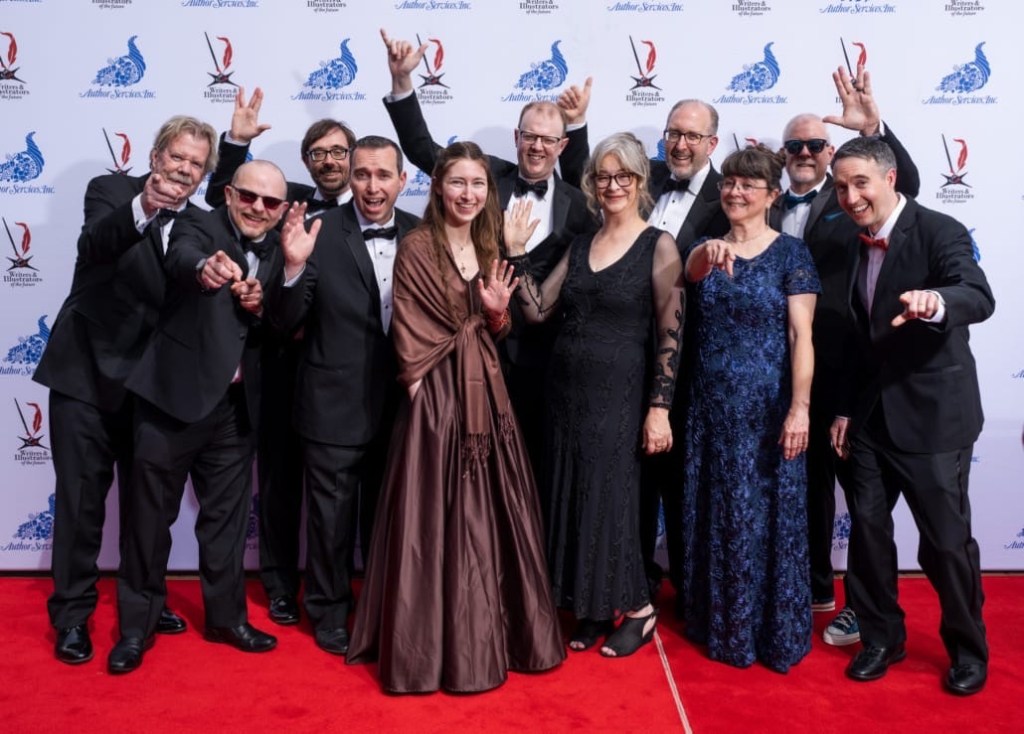
Writing, paradoxically, can be a lonely profession.
As a modern writer, you’re expected to put yourself “out there”. You live your life, or at least a curated version of it, in the public eye. Online. Once you put up your little “Writer” flag, they come out to greet you: the other writers. They come from everywhere: all walks of life, every city and state and country. Some are young, some old. All of them are trying to make it, to hit it big. To turn this passion of theirs into a career. And they’re hungry to know others who can understand them. Who understand why they can’t just quit and walk away. Even after scores of rejections, scathing critiques, cruel reviews.
In our world today, we’re surrounded by the illusion of connection. You see posts, photos, and you get a snapshot of someone’s life. But the essence of who they are is absent. It’s all empty, meant to pretend you truly know them. Over the years, I’ve grown connected with many other writers. Some I interact with frequently, but I’m keenly aware that I don’t really know them. I wouldn’t really consider them friends. Maybe if I ever actually met them in person, we’d mesh seamlessly. Maybe we’d soon find ourselves chatting over cups of coffee of pints of beer, laughing and smiling and finishing each other’s sentences. Maybe. But of course I’ll probably never know. So I just keep pretending we’re friends, just as they do.
I’ve tried to connect with other writers here in Cincinnati. I know they’re around. They exist. But every time I’ve tried, I’ve found myself sitting with a group of painfully-introverted, anxious people. The kind of people who hear how I speak, see how I interact, and look like they want to run. And I find myself alone in a crowded room.
Most of my writing career thus far has been marked by loneliness. I’m surrounded by kindness and support, but all of it from people who don’t fully understand why I’m doing this. How it really feels. I know they want to, and I love them for that. But I know they don’t really get it, and they know that, too.
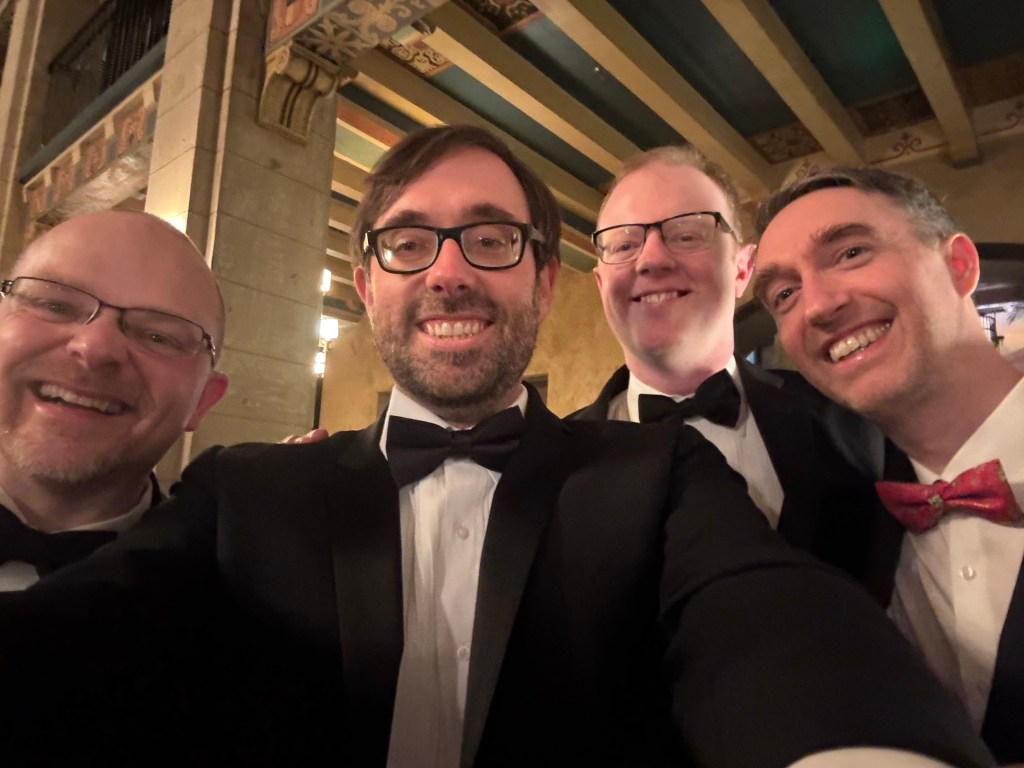
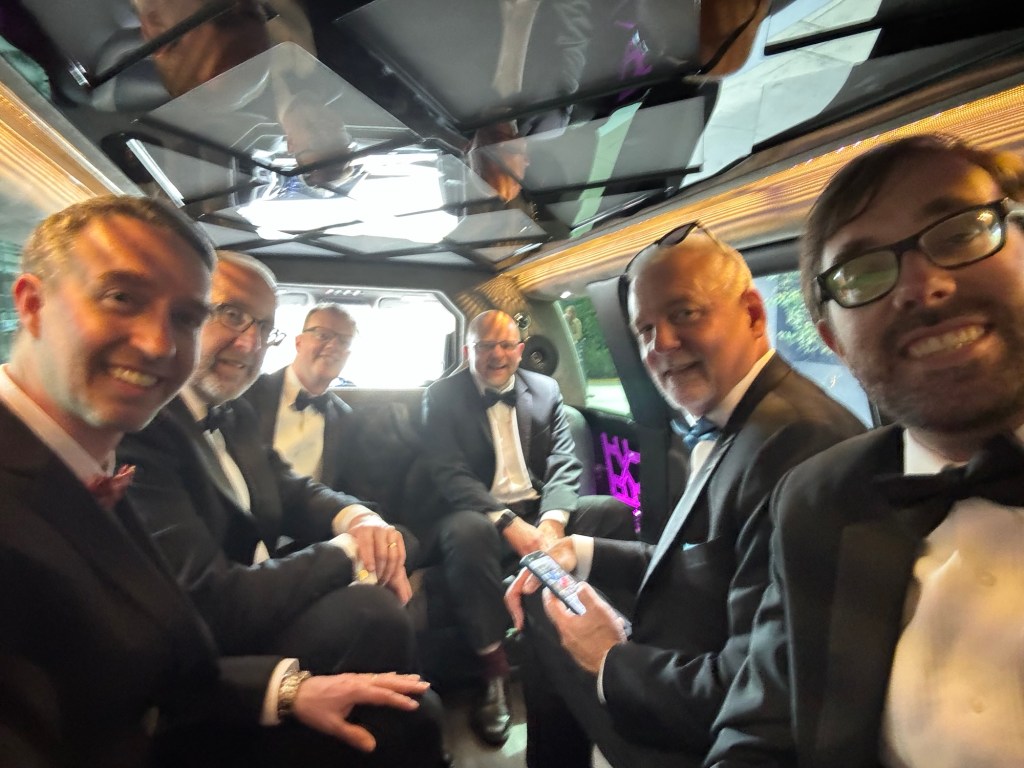
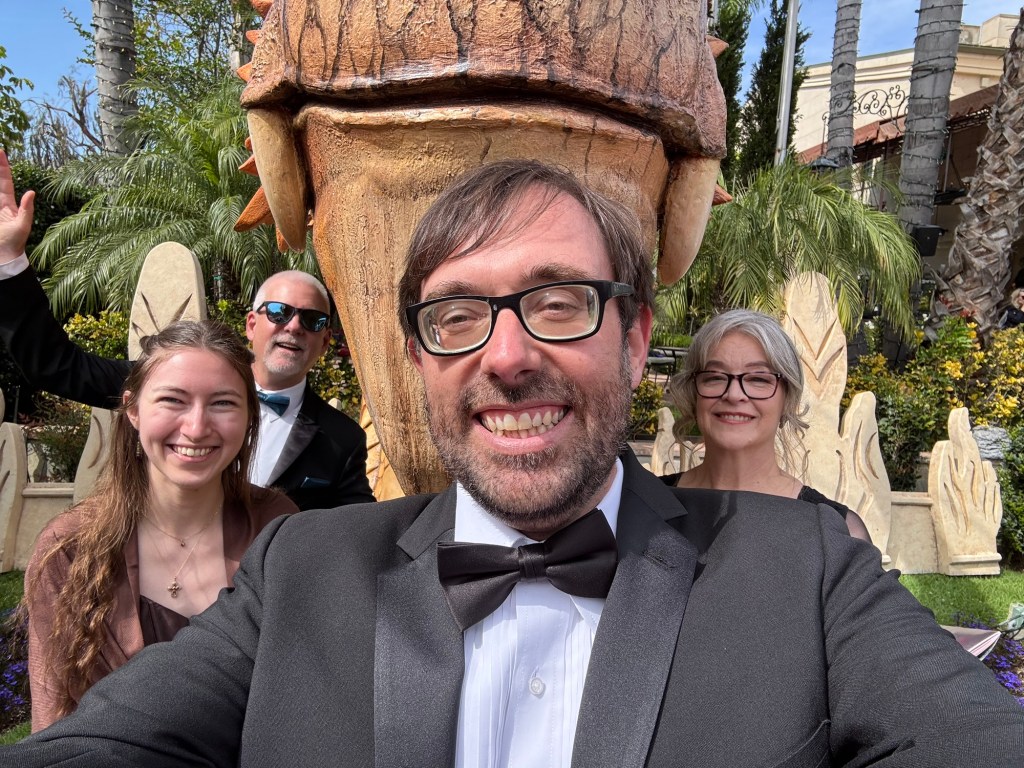
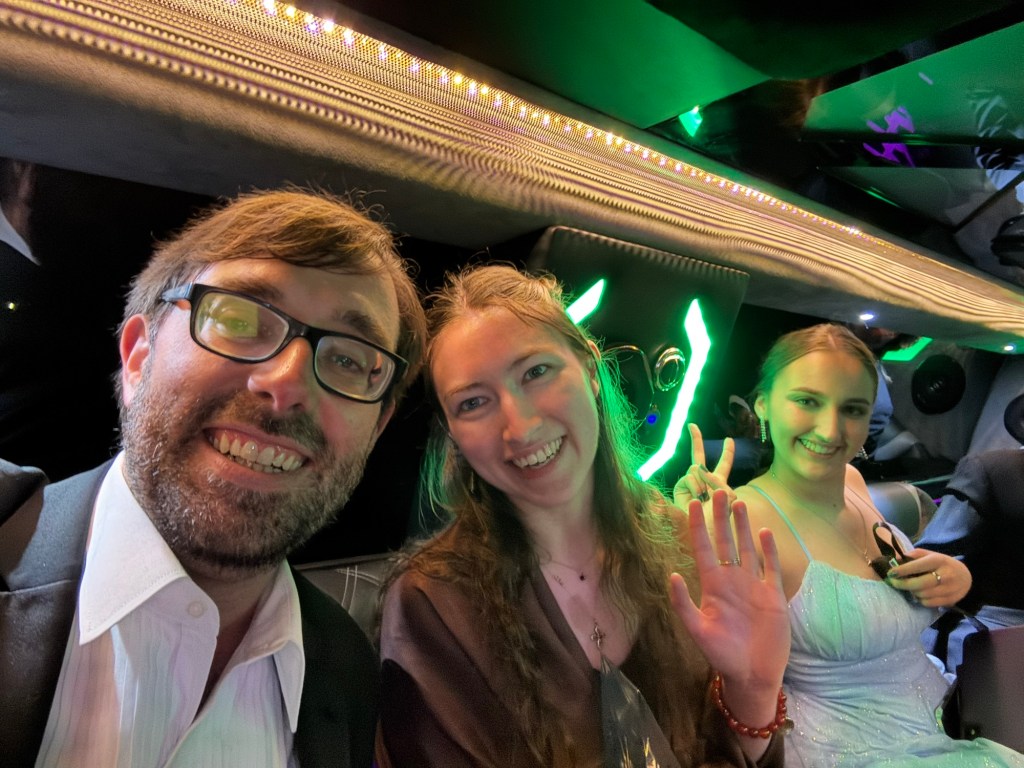
Then last week, for six magical days, I found myself among friends.
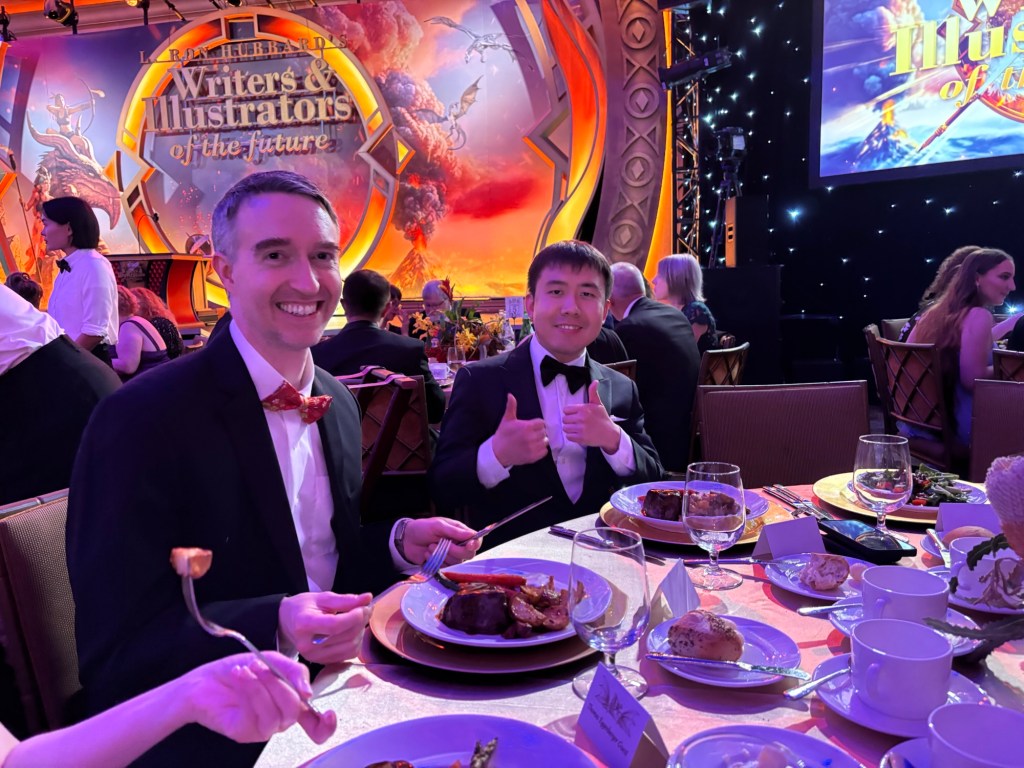
Through the Writers of the Future contest, I met ten other people who could truly understand. Who spoke the same language I did. They weren’t just pictures and posts, memes and anecdotes. They were people. Real people. Writers, like me. Not just that, but writers exactly like me. Ones who weren’t just writing, but trying everything they could to break through and make a name for themselves. To be known. And now, the world knows them. But more importantly, I know them. My friends. The stories of the anthology Writers of the Future, Vol. 42 are all incredible. But the people behind them make the stories all the more impactful.
When I was in high school French class, we had an assignment where we were given an impressionist painter to write a research paper on. Obviously I’d hoped for Claude Monet (pretty sure we all did), but instead I got Paul Cézanne. I knew nothing about him. When I first saw his paintings, I really wasn’t much of a fan. But as I learned more about his life, something unexpected happened: I began to appreciate his art.
Suddenly, when I looked at his work, I didn’t see colors and brushstrokes, I saw him. A man who’d lived a painful, solitary life, scorned and ridiculed by the critics of his day. Yet despite all of that he didn’t stop. He couldn’t. Because art was a part of him. It was his life. He knew of no other way to make sense of the world around him.
Since then, I’ve come to find all art is subject to the “Cézanne Effect”. No matter how good you can tell art is, you can’t fully appreciate it until you understand the person behind it. The human experiences that led to it. And that, as it turned out, was what happened when I met my fellow Writers of the Future winners.
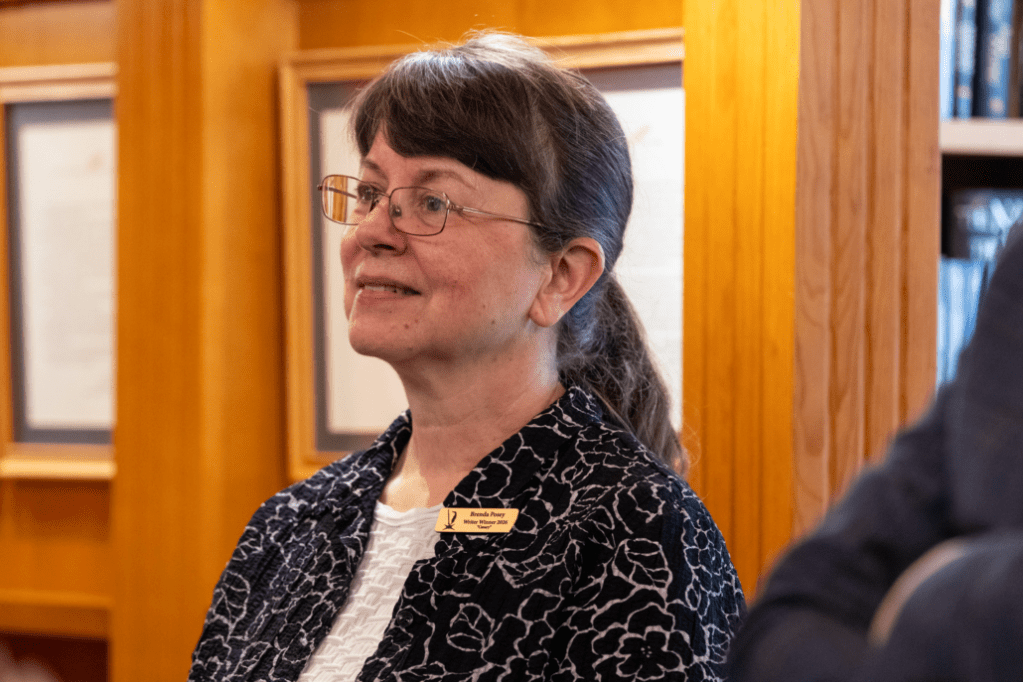
Brenda Posey, author of “Canary”, is a kind and gentle woman from Alabama. She’s soft-spoken, but nurturing. I didn’t speak with her as much as I did many of the other winners, but when I arrived she was the first person besides my roommate to step up to me and say hello. And that, in and of itself, speaks volumes. I’ll bet that when she was in school, she was always the first to greet the new kid.
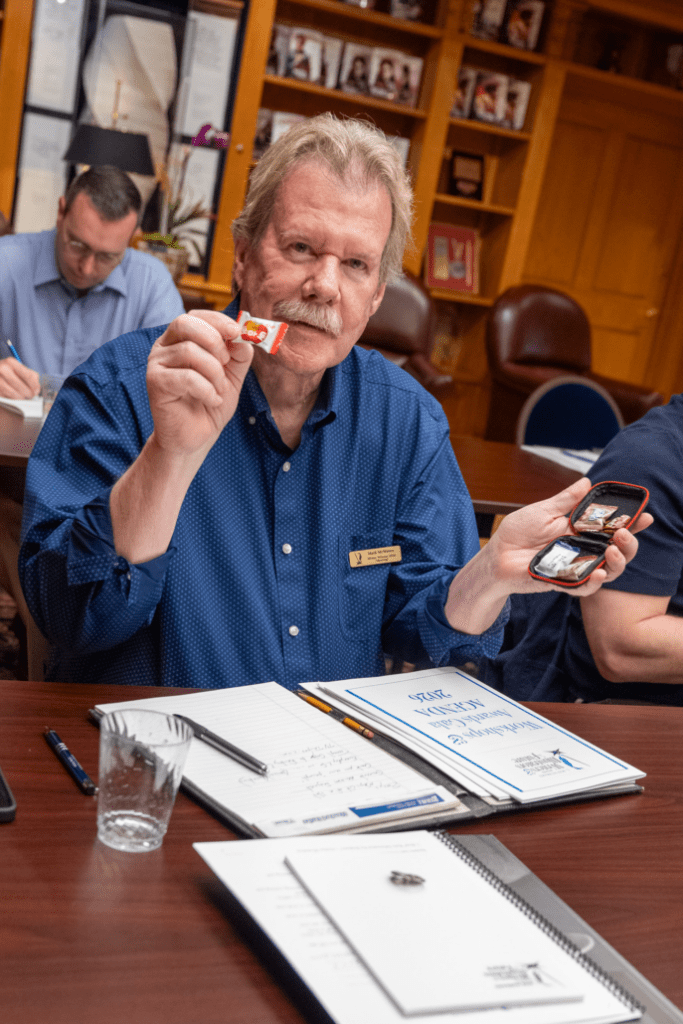
Mark McWaters, author of “Ghost Dog”, is from Florida, and a lovably goofy guy. But his goofball attitude belies a deep intellect that showed during workshop. He, perhaps more than any of the rest of us, made it clear he was there to learn. He took extensive notes, asked a ton of questions. But outside the workshop he was still a funny, easy-to-like guy. He became everybody’s funny uncle, always quick with a joke to relieve tension.
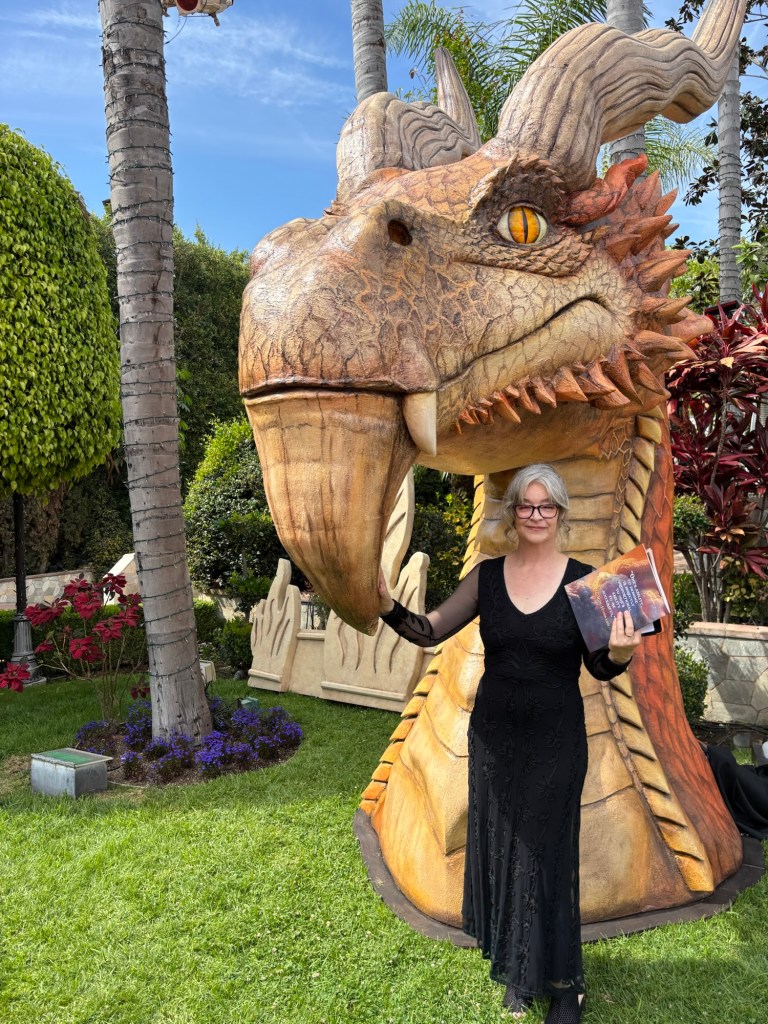
Dorothy de Kok, author of “Thickly”, is a witty grandmother from South Africa. She traveled the furthest of any of us to get to Los Angeles, but as it happened part of her family was already here; her daughter and granddaughter live in Texas. Dorothy had the keen sense of humor you’d expect from someone who’s experienced so much and lived so well. But the key to her excellent writing is the ultimate tool of every modern author: empathy. When she first saw the illustration of her main character, she began to cry. Because now that she saw her character’s face, she felt guilty for what she’d put her through. And that’s Dorothy in a nutshell.
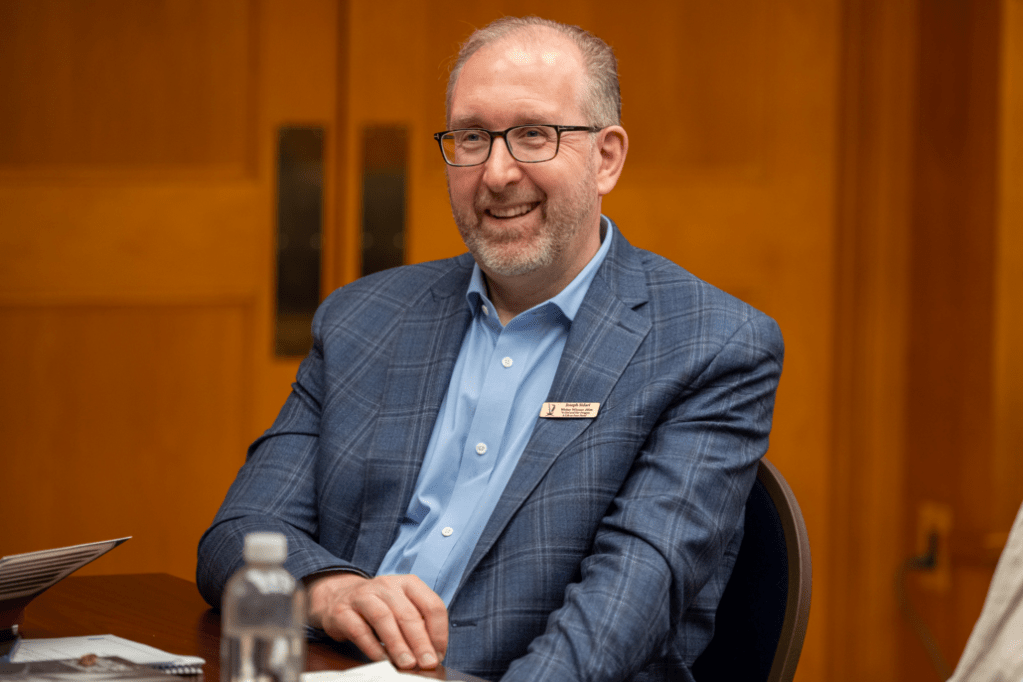
Joseph Sidari, author of “A Girl and Her Dragon: A Life in Four Parts”, is a medical doctor from Boston. As you’d expect from a doctor, he’s a complex man: equal parts intellectual, genial, funny and philosophical. He was eager to learn not only from the workshop hosts but from each of us, his fellow writers. His colleagues. He made it a point to sit and speak one-on-one with each of us, soaking it all up. And in so doing, he was the first person to make each of us feel seen and appreciated.
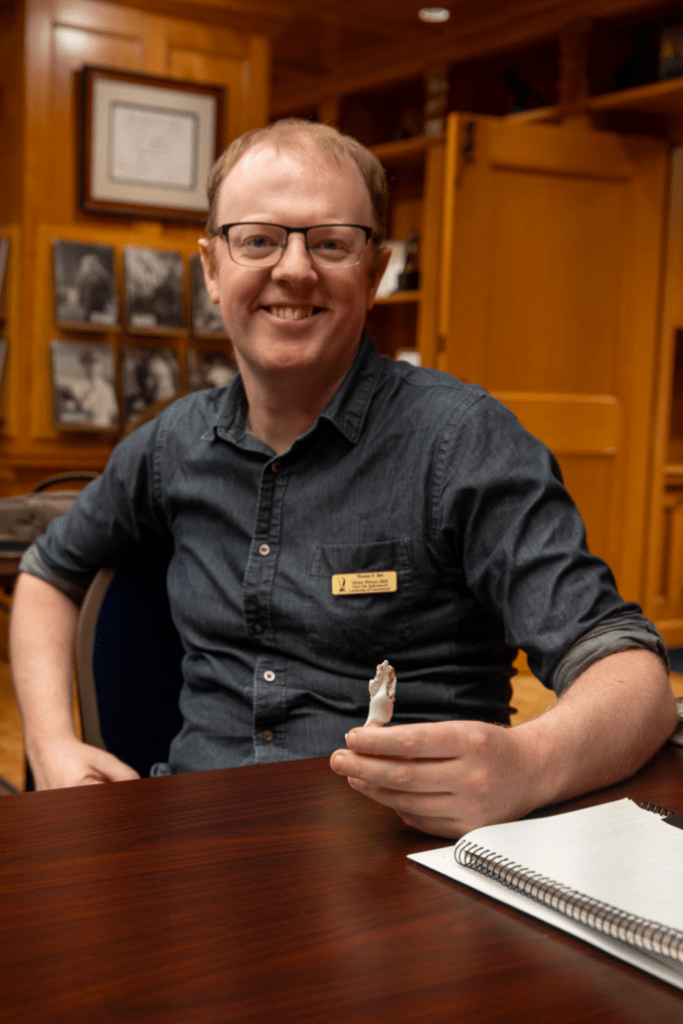
Thomas K. Slee, author of “Form 14B”, is an engineer and sci-fi writer, like me, only he hails from Australia. As you’d expect from an Aussie, he’s friendly, funny, and approachable. But he’s also very insightful with regards to writing. And he’s determined, displaying the kind of go-getter attitude that’s sure to land his future books on a lot of shelves. His story was the first story in the anthology I read. And the first one that made it clear that, if I wanted the grand prize, I had my work cut out for me.
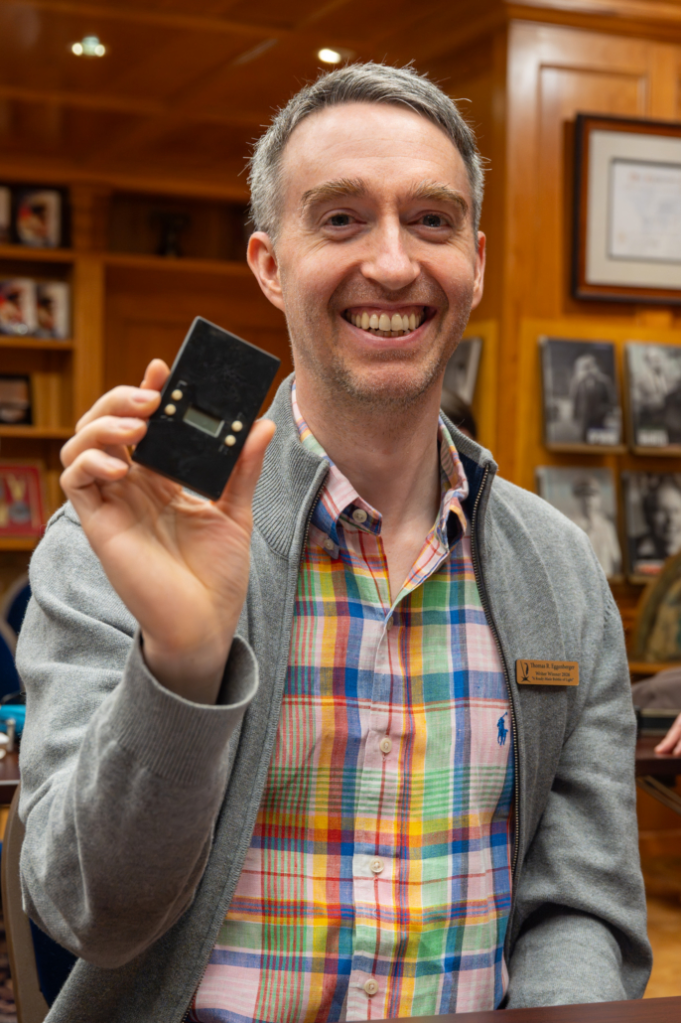
Thomas Eggenberger, author of “A Ready-Made Bubble of Light”, was born in the United States, but has lived much of his life in Japan. A gentle, soft-spoken man, on the first day I met him he mentioned that as someone who’d lived so long in a non-English speaking country, it was a rare treat for him to be able to carry on a conversation in his native tongue. Thomas was seated at my table at the awards show, and his bright smile and soft voice were among the few things that kept me from shaking so hard I spilled my coffee.
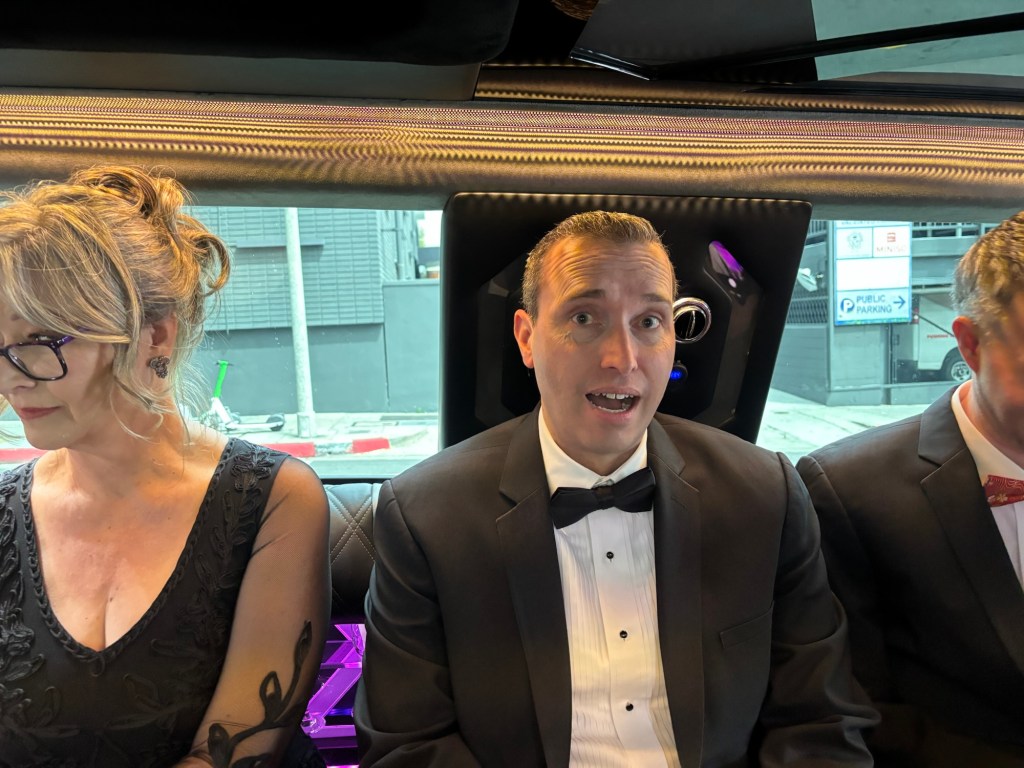
Zach Poulter, the author of “Shell Game”, was my roommate at the Roosevelt Hotel. A father and a high school band teacher, Zach has the kind of gentle voice and endless patience that comes from a life working with children. A Utah native, he was endlessly tolerant of his fast-talking, IPA-swilling, high-strung Eastern roomie. And by getting up early each morning to run through the Hollywood Hills, he did something that’s very hard to do: he made me feel lazy.
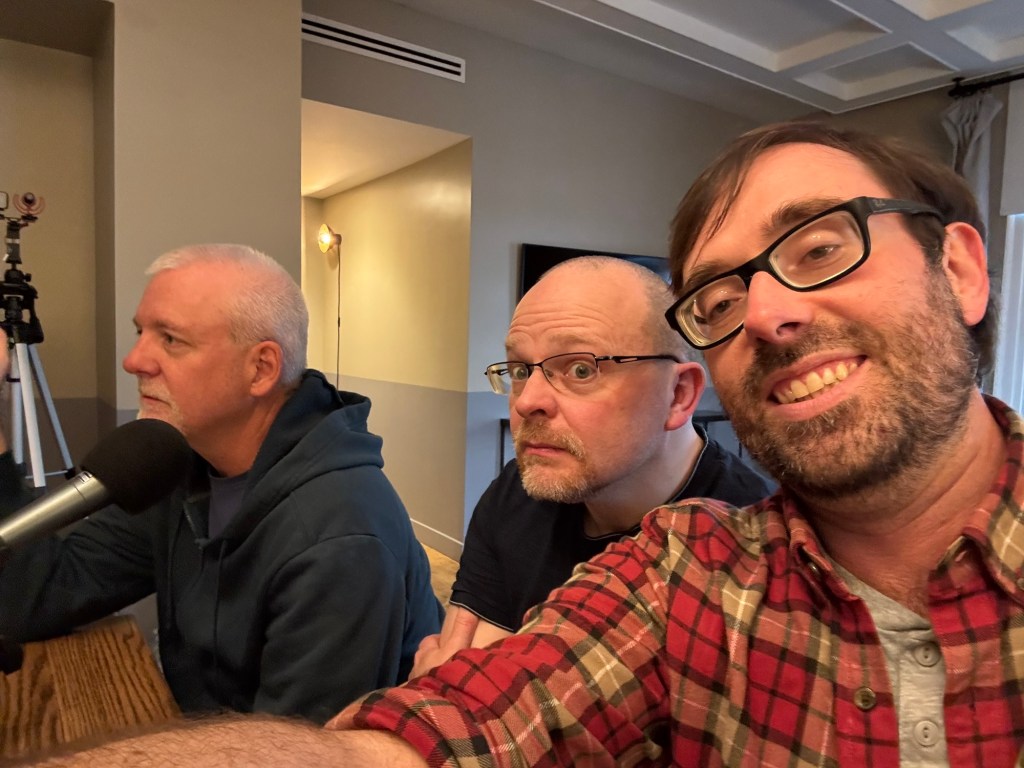
“The Triceratops Effect” was written by British author S. J. Stevenson, but we all just called him Shaun. Endlessly enthusiastic with a personality as big as his heart, Shaun was usually the first one to the bar each evening (after me), making us the unofficial organizers of what workshop attendees have come to call “Lobbycon”: the semi-official nightly symposium of authors in the hotel lobby. Shaun and I spent a lot of time trading jokes, as well as writing insight. I really hope I’ll see him again before too long.
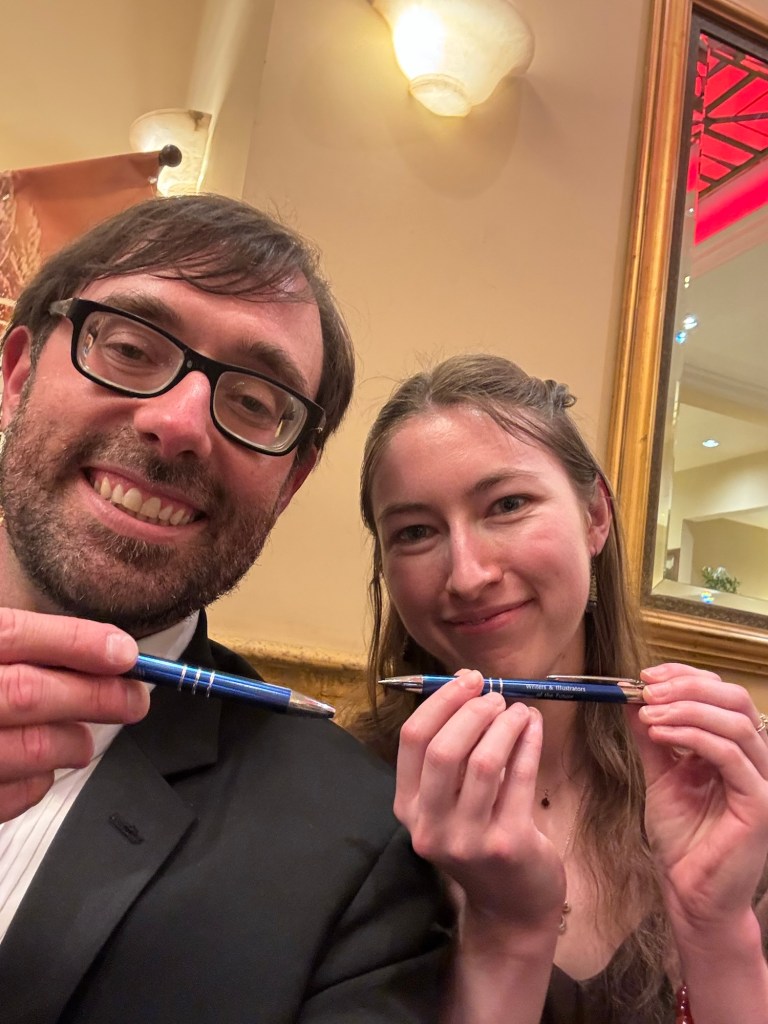
Kathleen Powell, author of “Saffron and Marigolds”, is a study in perseverance: she entered the contest more than twenty times before winning. She quickly pointed out to me that she’d been entering since high school, but that only made it more impressive. During our 24 Hour Story Challenge, Kathleen was assigned as my “twin”, and we became good friends. We looked out for each other: her making sure I was getting enough sleep, me making sure she was eating. She’s a terrific writer and an even better person, my “workshop bestie”.
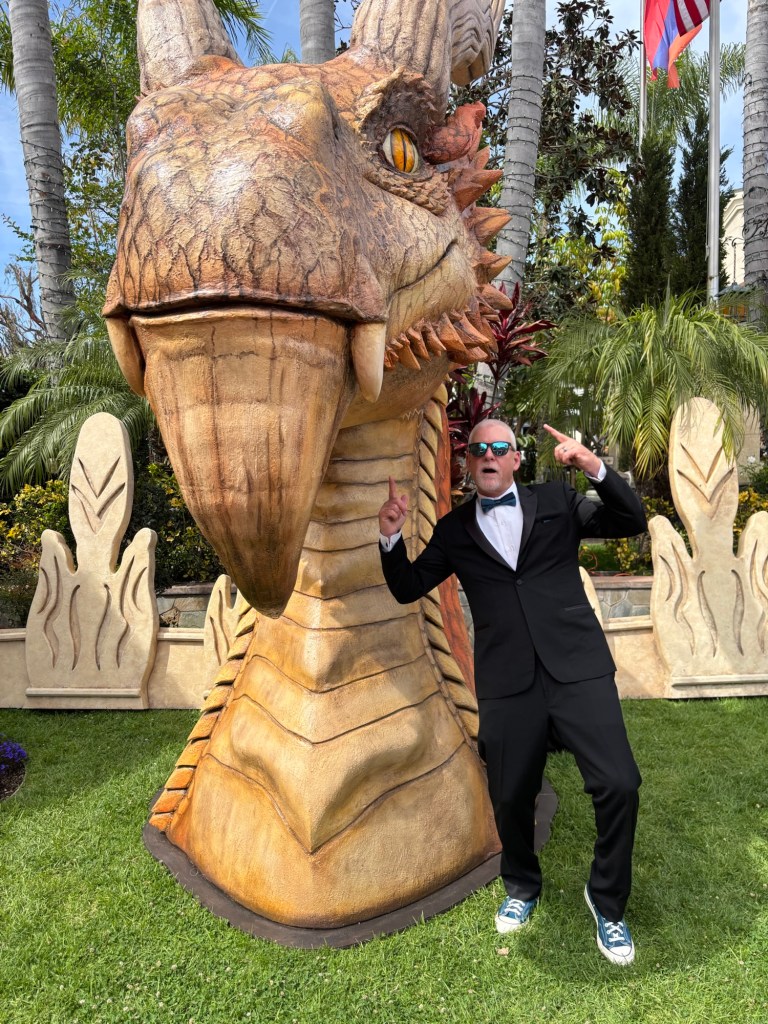
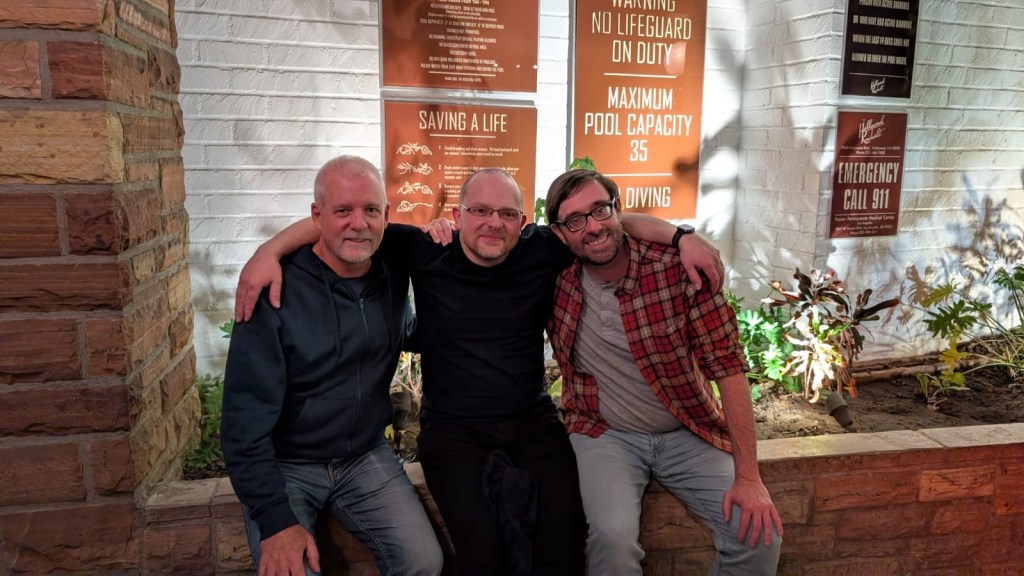
“As Long As You Both Shall Live” was written by Mike Strickland. Since there were two Mikes, I began calling him “Strick” (and calling myself “Kooze” on our group chat). Mike was the first to reach out to me when my win was announced, and also the first to contact me on a personal level. By the time we met in LA, we’d already been exchanging critiques and arguing about beer for months. Mike is an incredible guy. He’s served in the navy and worked as a scuba diver in an aquarium, and lived in more places than I’ve visited. And sure enough, as I’d expected he’s very much the sort of person I naturally become friends with. Plus, with his stylish shades and converse sneakers on the red carpet, he managed to keep the coolness factor of a bunch of sci-fi writers at an even ten out of ten.
These are the real humans behind the incredible stories of Writers of the Future, Vol. 42. I was with them for one week. Measured against a lifetime on this Earth, that’s the blink of an eye. But they made the most of those fleeting moments. And they left an indelible impact on me. I miss them, as much as I’ve missed any of my close friends who’ve moved on and moved away. We’ll keep in touch. We’ve already been doing that. We’re committed to sticking together, lifting one another up. But it’ll never be the same.
Art is perhaps the most completely human thing that exists in our world. It’s born from experience and emotion, from feeling. From joy or pain, gratitude and loss. From empathy. And while anyone can enjoy art, to truly appreciate it you have to understand where it comes from. Who it comes from. Behind every piece of art, every painting and written word and scrap of paper with a doodle, is a message. They made this because they have something to say.
So do yourself a favor, and listen. – MK
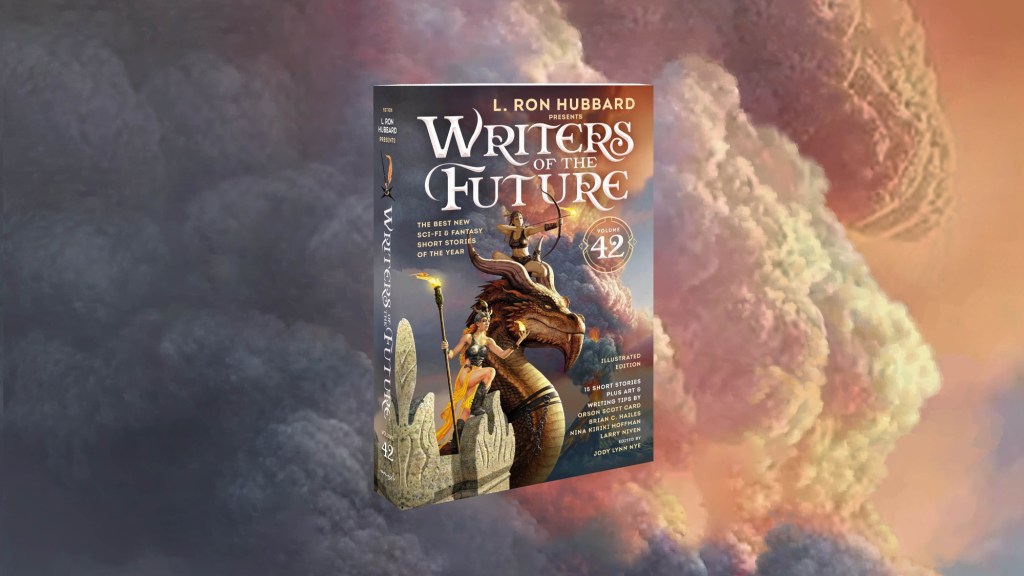
Writers of the Future, Vol. 42, will be released on Tuesday, April 28 across the US. The anthology will be available electronically, and in print anywhere fine literature is sold. Click here to find out how to preorder this incredible, diverse, deeply human collection of stories.


 Michael T. Kuester
Leave a comment